Wheelchair Accessible Vehicle Study

Share Wheelchair Accessible Vehicle Study on Facebook Share Wheelchair Accessible Vehicle Study on X (formerly Twitter) Share Wheelchair Accessible Vehicle Study on Linkedin Email Wheelchair Accessible Vehicle Study link
Read the Wheelchair Accessible Vehicle Supply and Availability Study Legislative Report


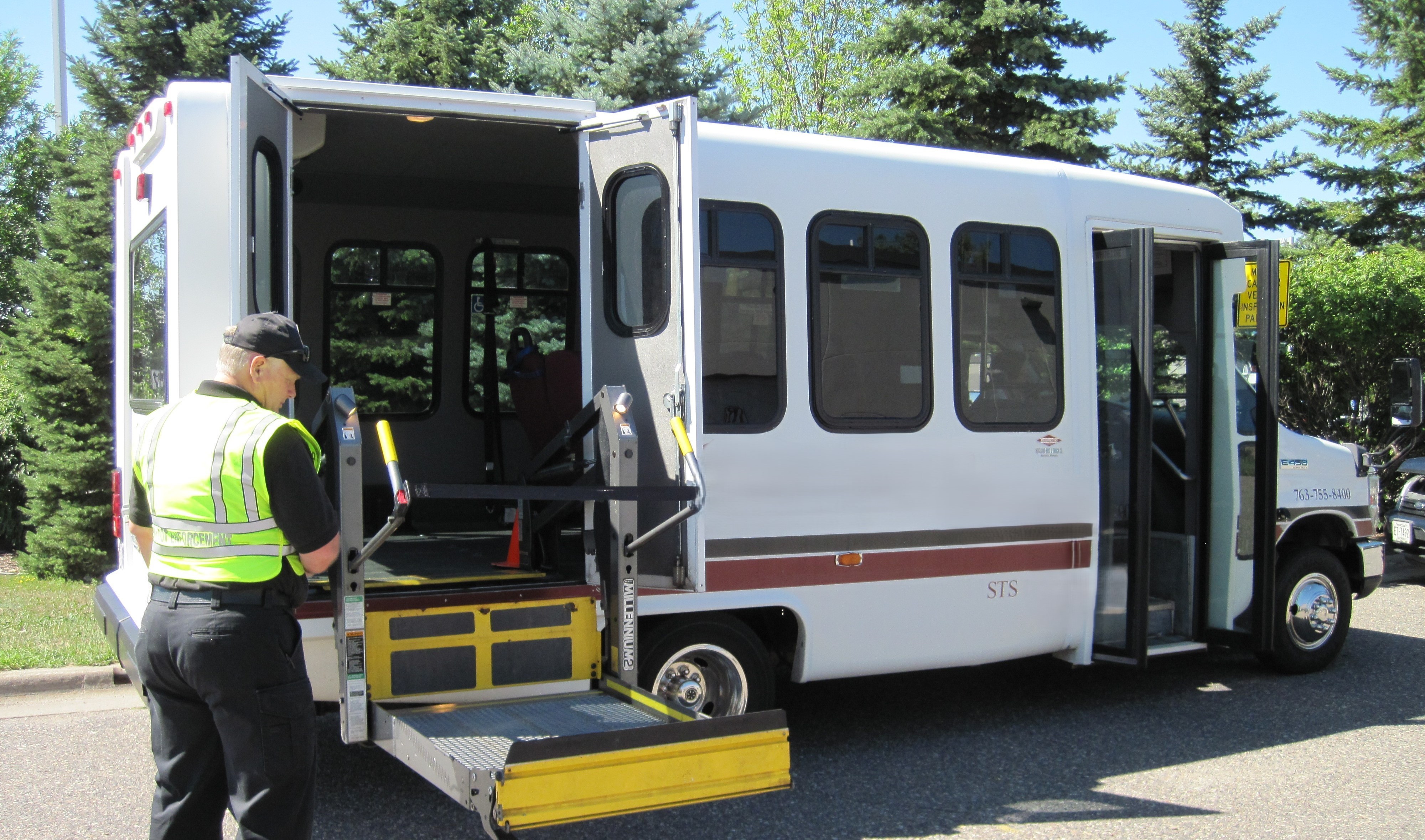
MnDOT inspector inspects a wheelchair accessible vehicleMnDOT conducted a study to identify strategies to increase the availability of wheelchair accessible vehicles (WAVs) and ways to improve service quality and provide cost-effective transportation for riders with disabilities.

Objectives

  • Identify challenges affecting WAV accessibility and service

  • Examine supply and demand issues for WAVs

  • Identify possible measures to ensure the punctuality and reliability of WAV services

  • Evaluate how supply streams, market practices, and technological capabilities impact WAV services

  • Research and analyze models that have been successful elsewhere

  • Collect information on legislation and policy changes in other states

Who's involved

  • Public transportation service providers

  • Nonemergency medical transportation (NEMT) and special transportation services (STS) providers

  • State Patrol

  • Minnesota Council on Disability

  • A driver advocacy group representing transportation network company (TNC) drivers

  • Private TNCs

  • Representatives from City of Minneapolis, City of St. Paul, and League of Minnesota Cities

  • Representative from taxi companies

  • Persons with disabilities and their caregivers

  • An organization with expertise in accessibility transportation services or design

Read the Wheelchair Accessible Vehicle Supply and Availability Study Legislative Report


MnDOT inspector inspects a wheelchair accessible vehicleMnDOT conducted a study to identify strategies to increase the availability of wheelchair accessible vehicles (WAVs) and ways to improve service quality and provide cost-effective transportation for riders with disabilities.

Objectives

  • Identify challenges affecting WAV accessibility and service

  • Examine supply and demand issues for WAVs

  • Identify possible measures to ensure the punctuality and reliability of WAV services

  • Evaluate how supply streams, market practices, and technological capabilities impact WAV services

  • Research and analyze models that have been successful elsewhere

  • Collect information on legislation and policy changes in other states

Who's involved

  • Public transportation service providers

  • Nonemergency medical transportation (NEMT) and special transportation services (STS) providers

  • State Patrol

  • Minnesota Council on Disability

  • A driver advocacy group representing transportation network company (TNC) drivers

  • Private TNCs

  • Representatives from City of Minneapolis, City of St. Paul, and League of Minnesota Cities

  • Representative from taxi companies

  • Persons with disabilities and their caregivers

  • An organization with expertise in accessibility transportation services or design

  • Public meetings

    Share Public meetings on Facebook Share Public meetings on X (formerly Twitter) Share Public meetings on Linkedin Email Public meetings link

    Previous meetings

    • No August Meeting — we were at the MN Council on Disability table at the Minnesota State Fair
    • July 24, 2025
    • September 18, 2025
    • October 16, 2025
    • November 20, 2025
    • December 18, 2025
    • January 15, 2026

    Previous meetings

    • No August Meeting — we were at the MN Council on Disability table at the Minnesota State Fair
    • July 24, 2025
    • September 18, 2025
    • October 16, 2025
    • November 20, 2025
    • December 18, 2025
    • January 15, 2026
Page last updated: 14 Apr 2026, 10:59 AM