
I-694 study – Brooklyn Center to Arden Hills
About this study
We are studying I-694 between Brooklyn Blvd. in Brooklyn Center and Lexington Ave. in Arden Hills. This 9-mile section of I-694 is one of the most heavily traveled and congested areas in the Metro. Drivers experience delays throughout the day, and several locations have higher than average crash rates. Safety and connectivity are a concern for people walking, biking and rolling in the area.
This study will review existing conditions, collect public input, identify safety and connectivity needs for all users and recommend ideas to guide short-term and long-term improvements.
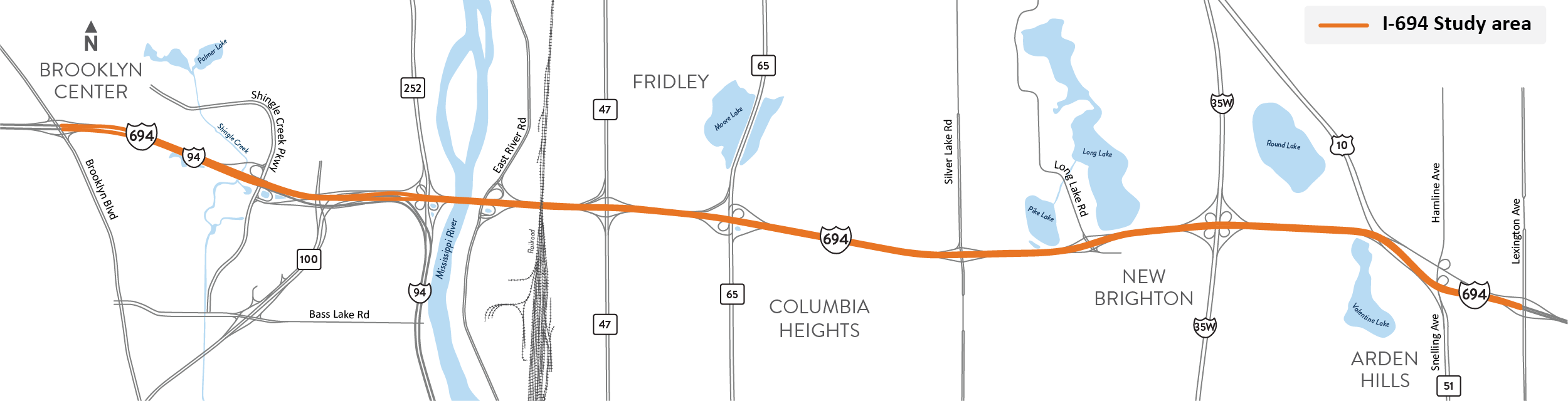 View full-size map
Summary of work
- Understand current conditions
- Engage people, businesses and community partners to identify needs
- Propose options that respond to needs
- Identify funding sources, timelines and processes to achieve various proposed options
Get involved
As a part of this study, we will be gathering input from community through public meetings, events and surveys.
- Sign up for email updates to receive information on how you can share your input and stay up to date on this study
- Leave a comment or question
-
Engagement summary – October 2026
Share Engagement summary – October 2026 on Facebook Share Engagement summary – October 2026 on X (formerly Twitter) Share Engagement summary – October 2026 on Linkedin Email Engagement summary – October 2026 linkThis summer we conducted our first phase of engagement, which focused on understanding how people travel along and across I-694. Through community events, stakeholder outreach, an online survey, a comment map and a virtual public meeting, more than 2,000 community members, businesses and travelers shared feedback about their experiences.
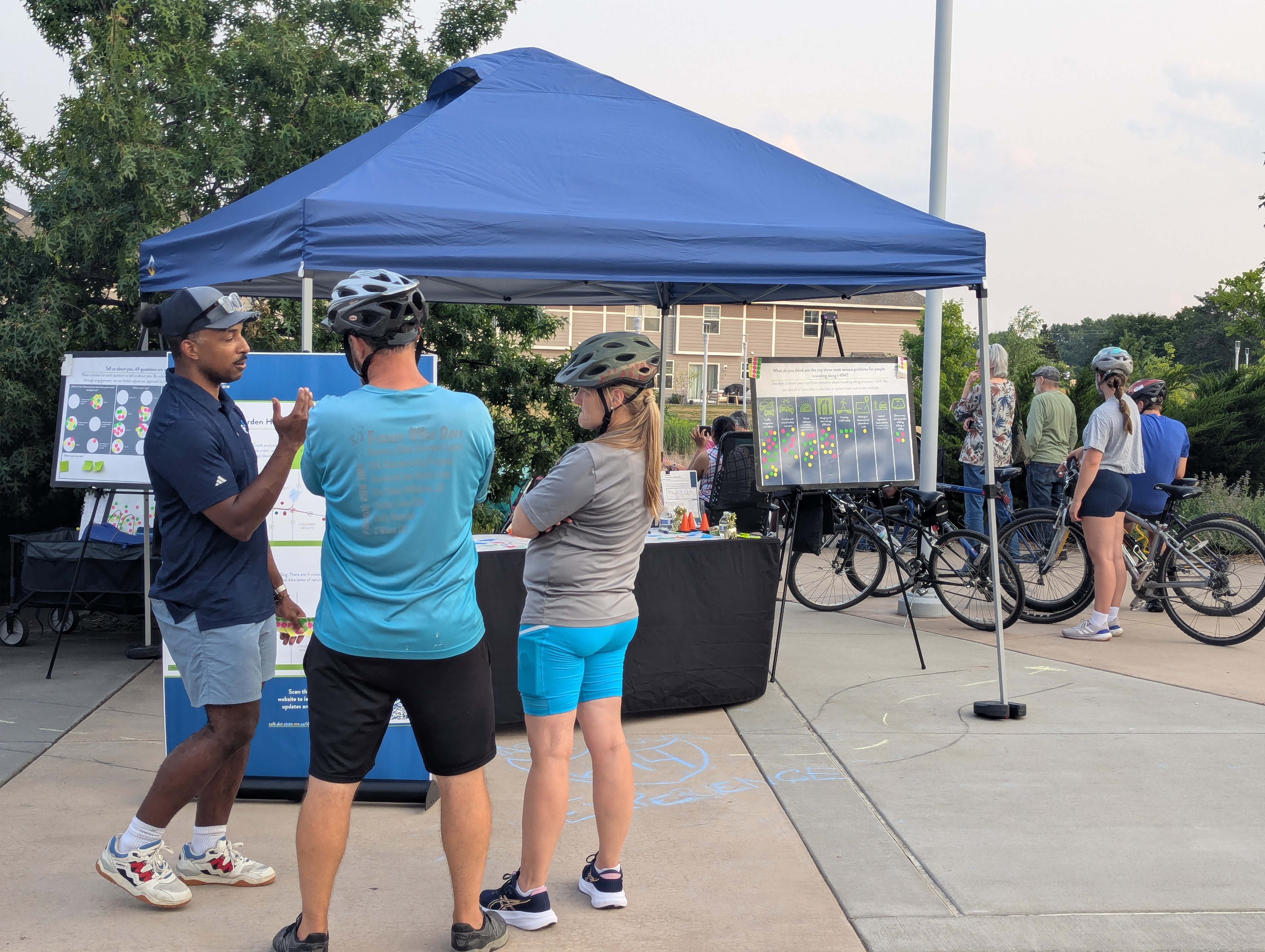 July 28 pop-up at the Fridley Community Concert
 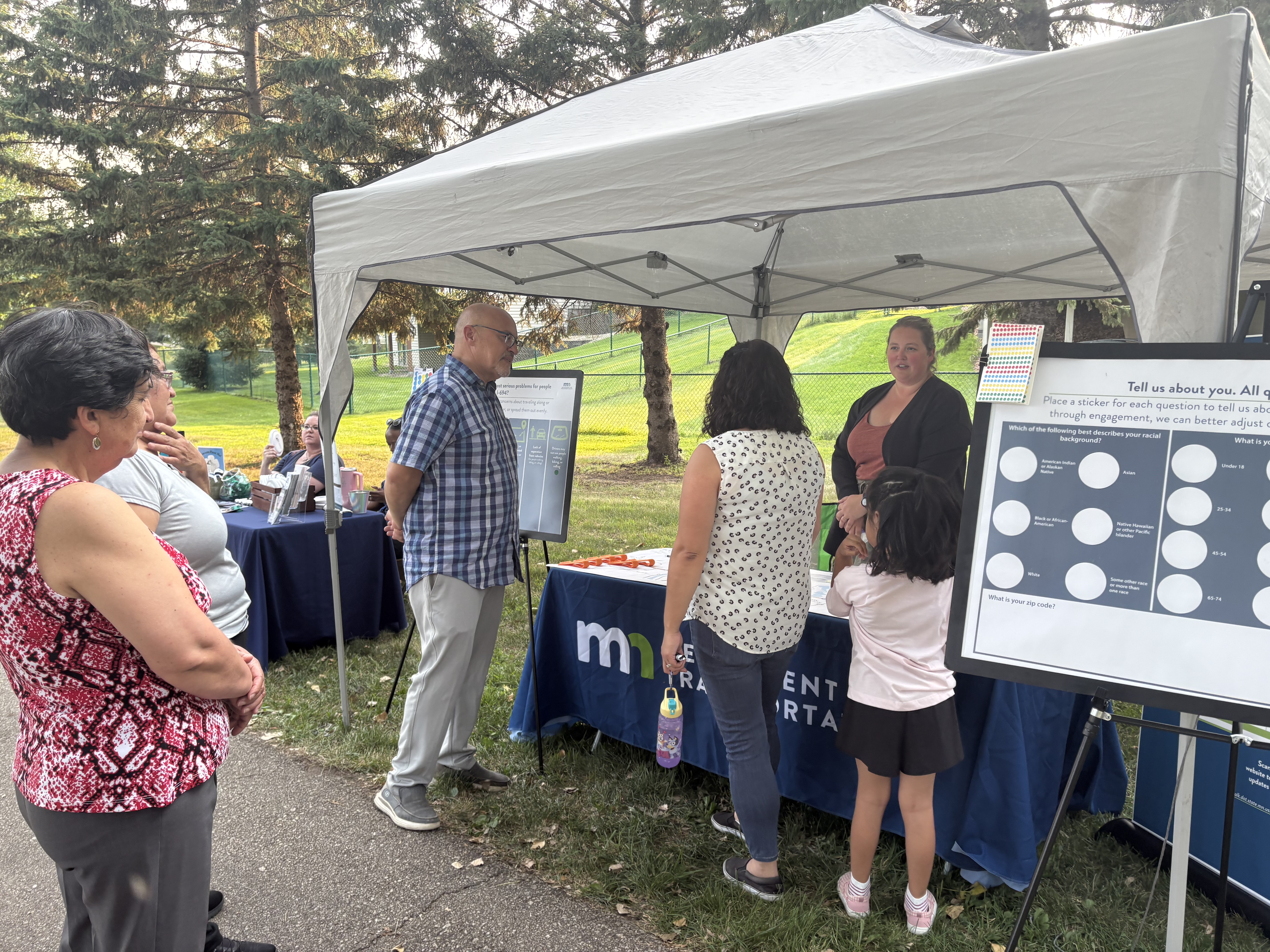 Aug. 11 pop-up at New Brighton Park Discovery Days
 Feedback highlighted seven themes:
Congestion: People experience significant congestion throughout the study area, particularly at river crossings and major interchanges, where delays regularly affect both weekday and weekend travel.Continue reading
-
Accessibility
Share Accessibility on Facebook Share Accessibility on X (formerly Twitter) Share Accessibility on Linkedin Email Accessibility linkAmericans with Disabilities Act
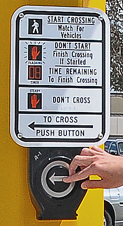 Speakers and raised arrows on APS signals provide information about the intersection to pedestrians with hearing and visual impairment.
All MnDOT - both new construction and rehabilitation projects - must include evaluation to ensure compliance with the Americans with Disabilities Act. Components can include, but are not limited to adding curb cuts, truncated domes and accessible pedestrian signals. Read about MnDOT's transition plan to comply with the ADA.
Specifics for this study
- Determine what accessibility improvements are needed for a 2032 construction project.
-
MnDOT

Phone 651-234-7507 Email I694northmetro@state.mn.us